How to continue a GitHub Copilot app session in VS Code
Learn how to move an agent session from the GitHub Copilot app into VS Code without losing the conversation, code changes, or working context.
1 min readNews
Learn how to move an agent session from the GitHub Copilot app into VS Code without losing the conversation, code changes, or working context.
Nothing last week added a new kind of compute. What it did instead was shorten the distance between the code you already have and that code being live. AWS Lambda learned to run a plain HTTP server with no adapter in front of it, and Amazon S3 became something you can provision from inside the […]
Learning Curves, a new book from the Microsoft AI Economy Institute, explores how AI is reshaping education and work, from K–12 classrooms to careers.

The promise—and challenges—of agentic software engineering, from large-scale code migration to language modernization.

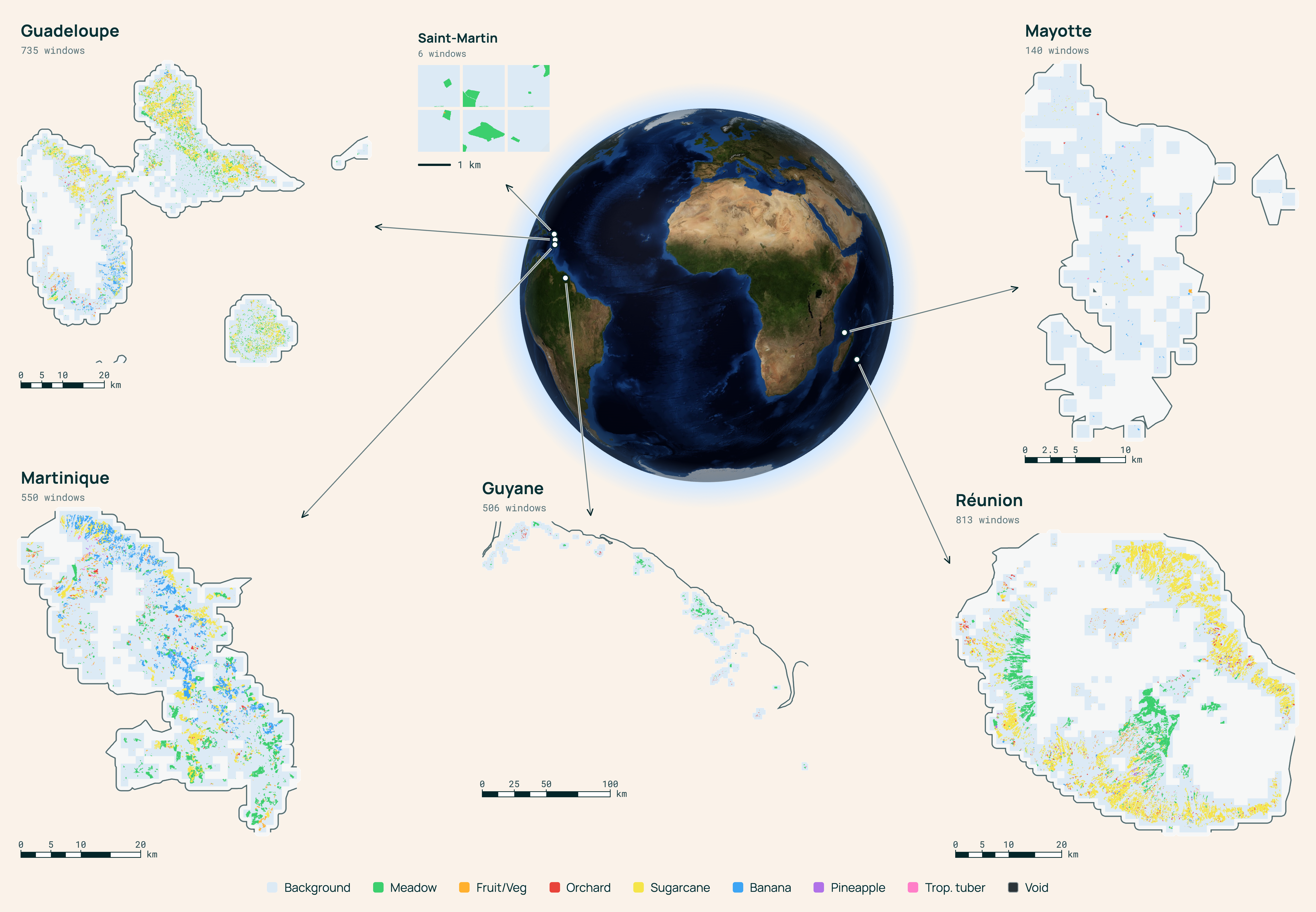
PLANTEUR extends the PASTIS crop-mapping benchmark to six tropical regions to help evaluate geospatial models across more diverse agricultural systems.
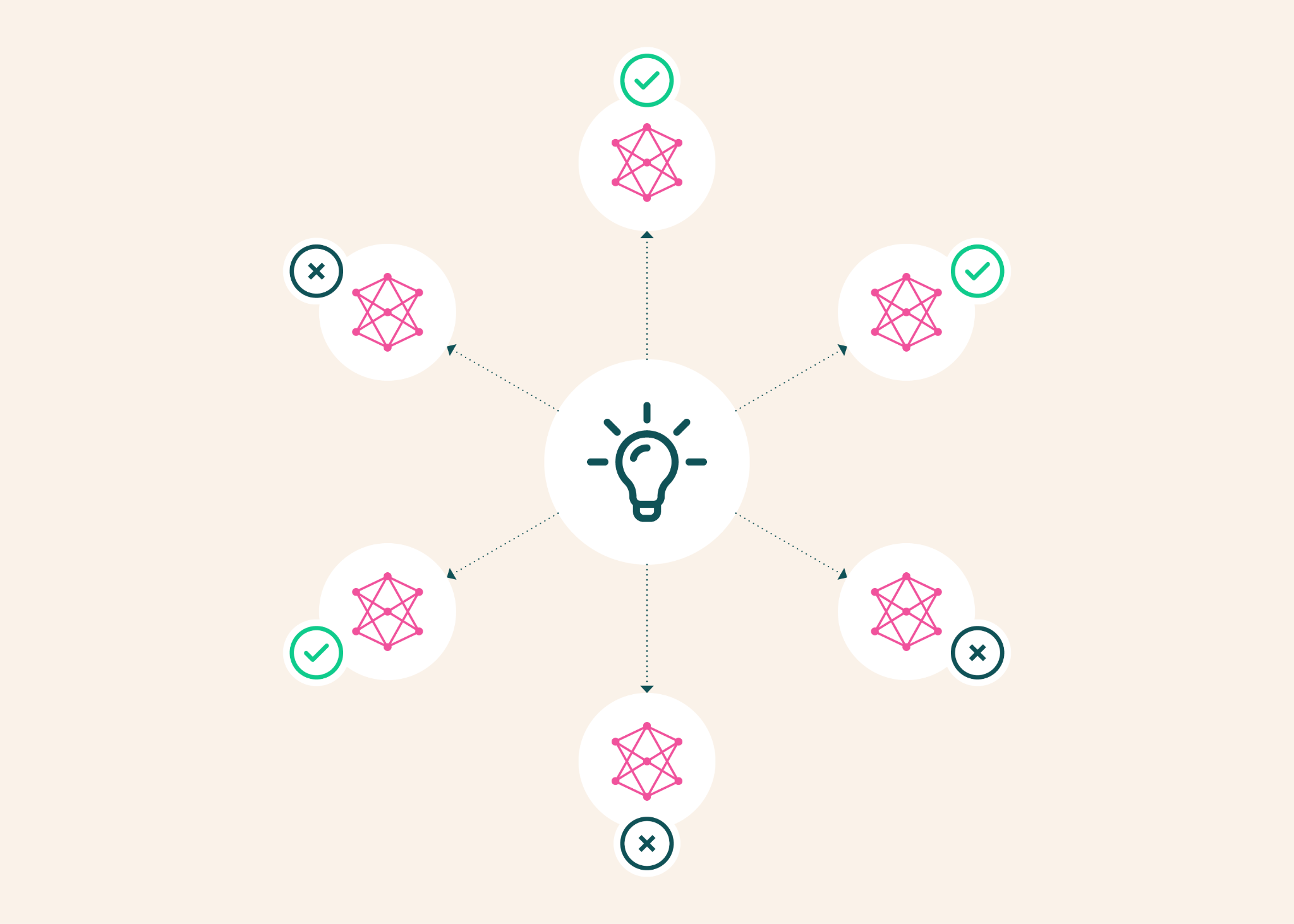
Old Ideas, Novel Problems tests how reliably LLMs judge the novelty of research ideas, finding that small changes to the evaluation setup can produce very different verdicts.
We are excited to announce that the Kubernetes community now has a Workload Conformance Working Group. The working group is writing a shared standard for how workloads behave at runtime on Kubernetes. To get it right, we need input from the people who build those workloads and from the people who run the clusters they're deployed on. Why workloads need a shared standardCertified Kubernetes tests the cluster, and Kubernetes AI Conformance tests whether a cluster can run AI and ML workloads. Nothing comparable exists for the workloads themselves, so cluster operators still check each application by hand before routine maintenance or a Kubernetes upgrade.
Following the graduation of Pod-Level Resources to Beta in v1.34 and the General Availability (GA) of In-Place Pod Vertical Scaling in v1.35, the Kubernetes community is thrilled to announce that In-Place Pod-Level Resources Vertical Scaling has graduated to Beta in v1.36! This feature is now enabled by default via the InPlacePodLevelResourcesVerticalScaling feature gate. It allows users to update the aggregate Pod resource budget (.spec.resources) for a running Pod, often without requiring a container restart.
Kubernetes v1.36 introduces Pod-Level Resource Managers as an alpha feature, bringing a more flexible and powerful resource management model to performance-sensitive workloads. This enhancement extends the kubelet's Topology, CPU, and Memory Managers to support pod-level resource specifications (.spec.resources), evolving them from a strictly per-container allocation model to a pod-centric one. Why do we need pod-level resource managers?When running performance-critical workloads such as machine learning (ML) training, high-frequency trading applications, or low-latency databases, you often need exclusive, NUMA-aligned resources for your primary application containers to ensure predictable performance.
If you've ever tried to enforce a security policy across a fleet of Kubernetes clusters, you've probably run into a frustrating chicken-and-egg problem. Your admission policies are API objects, which means they don't exist until someone creates them, and they can be deleted by anyone with the right permissions. There's always a window during cluster bootstrap where your policies aren't active yet, and there's no way to prevent a privileged user from removing them.
In Kubernetes v1.36, Declarative Validation for Kubernetes native types has reached General Availability (GA). For users, this means more reliable, predictable, and better-documented APIs. By moving to a declarative model, the project also unlocks the future ability to publish validation rules via OpenAPI and integrate with ecosystem tools like Kubebuilder. For contributors and ecosystem developers, this replaces thousands of lines of handwritten validation code with a unified, maintainable framework. This post covers why this migration was necessary, how the declarative validation framework works, and what new capabilities come with this GA release.
As Kubernetes clusters grow to tens of thousands of nodes, controllers that watch high-cardinality resources like Pods face a scaling wall. Every replica of a horizontally scaled controller receives the full stream of events from the API server, paying the CPU, memory, and network cost to deserialize everything, only to discard the objects it is not responsible for. Scaling out the controller does not reduce per-replica cost; it multiplies it.