Robotic process automation earned an uneven reputation. The promise was simple: software robots that do the repetitive work people shouldn’t have to. The reality, too often, was bots that broke whenever a screen changed, a field moved or a document arrived in an unexpected format.
The automation that lasts looks different. It begins with understanding the process, uses AI where judgment is needed, prefers integrations to imitation, and is monitored like any other production system.
Understand the process before automating it
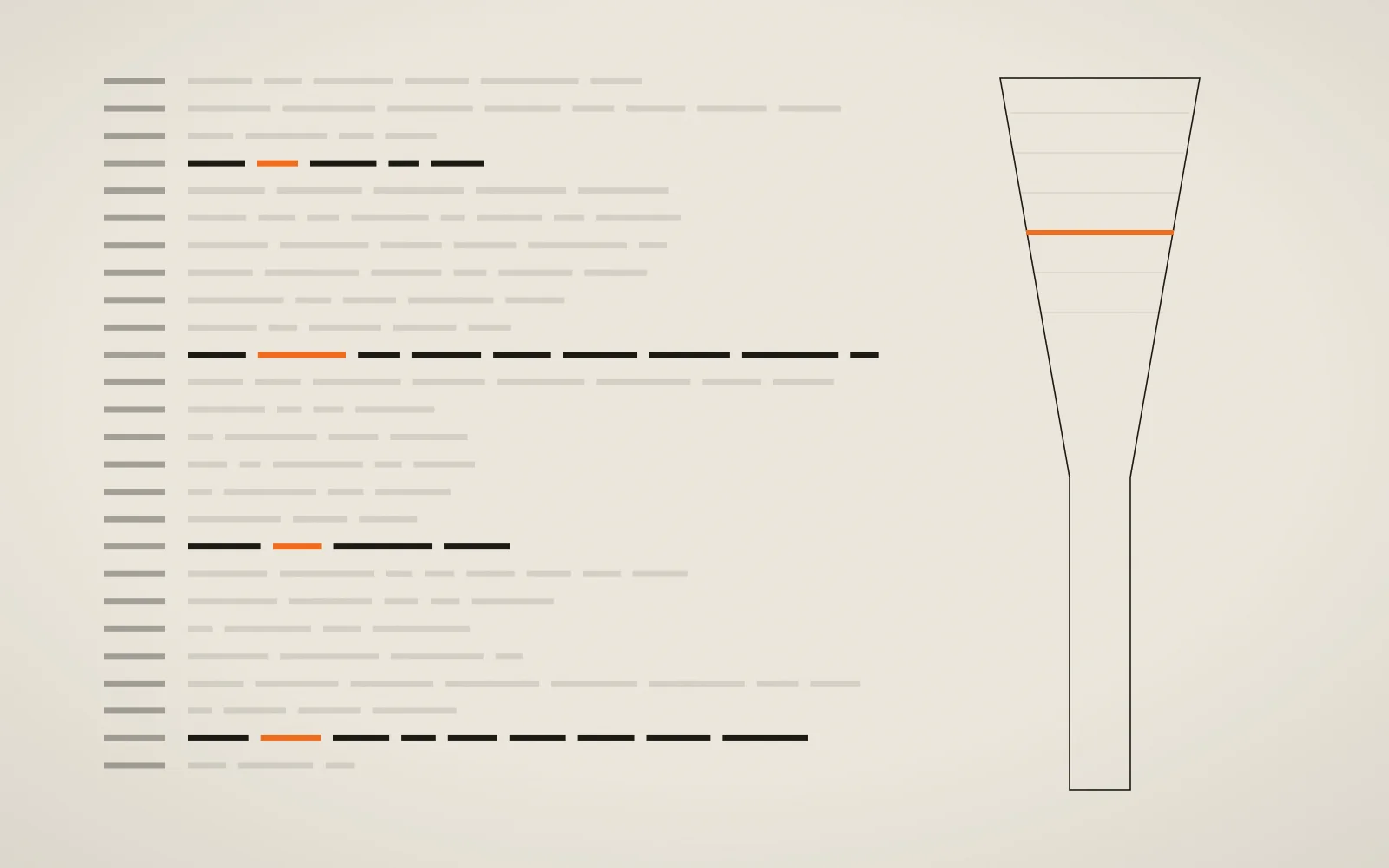
Automating a broken process only makes it fail faster. The first phase of any engagement is analysis: identifying manual tasks, mapping workflow gaps and finding the steps that are genuinely ready for automation. AI-assisted process discovery can surface patterns in how work actually flows — which is frequently different from how the documentation says it flows.
Automating a broken process only makes it fail faster.
Aviox Blogs Editorial
Design before you build
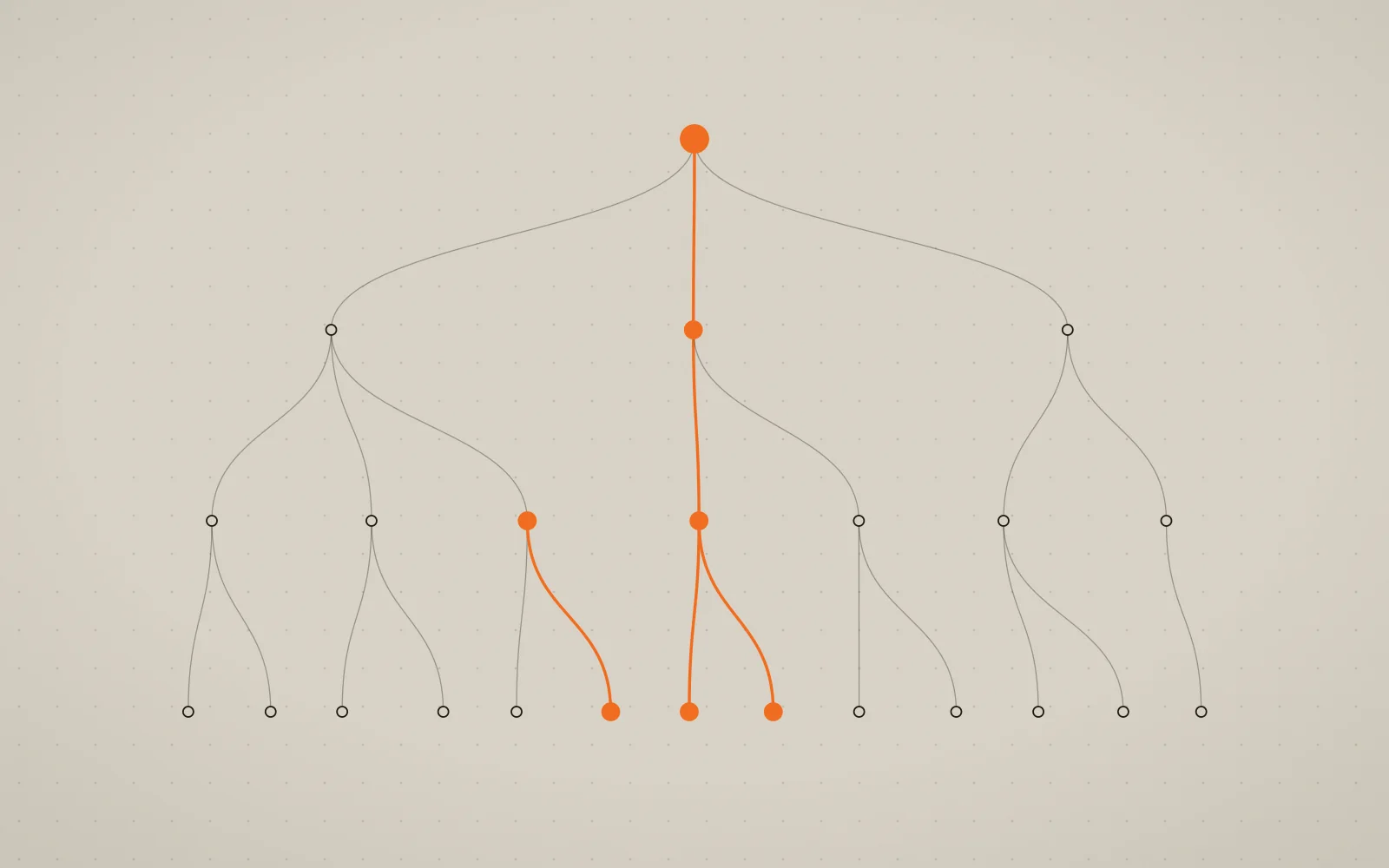
With the process mapped, automation design sets out workflows, decision logic and bot behavior on paper first. This is where exceptions are decided: what the bot does when data is missing, who is notified, and when a case returns to a person. Clarity here is what makes the eventual automation consistent rather than surprising.
Keep reading — it’s free
The remaining 1 min of this story is for Dispatch subscribers. Subscribing takes one field, and the whole story opens right here.
Subscribe to read the rest
Free. One email when there’s something worth reading.
Originally published at Aviox Blogs RPA practice.