Introduction
Django is a powerful web framework that provides developers with numerous tools to build scalable and maintainable applications. Among its many features, Django Signals offer an elegant way to enable communication between different parts of an application without creating tight dependencies between components.
Signals allow certain actions to automatically trigger additional functionality when specific events occur. This makes it easier to keep applications organized, reusable, and easier to maintain. Whether you need to send notifications, update records, create logs, or synchronize data across modules, Django Signals can help automate these tasks efficiently.
In this guide, we will explore the purpose of Django Signals, their benefits, common use cases, and best practices for implementing them in modern Django applications.
What are Django Signals?
Django Signals are a mechanism that allows different parts of an application to communicate with one another when predefined events occur. Instead of placing all logic directly inside views or models, developers can use signals to execute actions automatically whenever specific events are triggered.
Signals help create a loosely coupled architecture where application components remain independent while still working together efficiently.
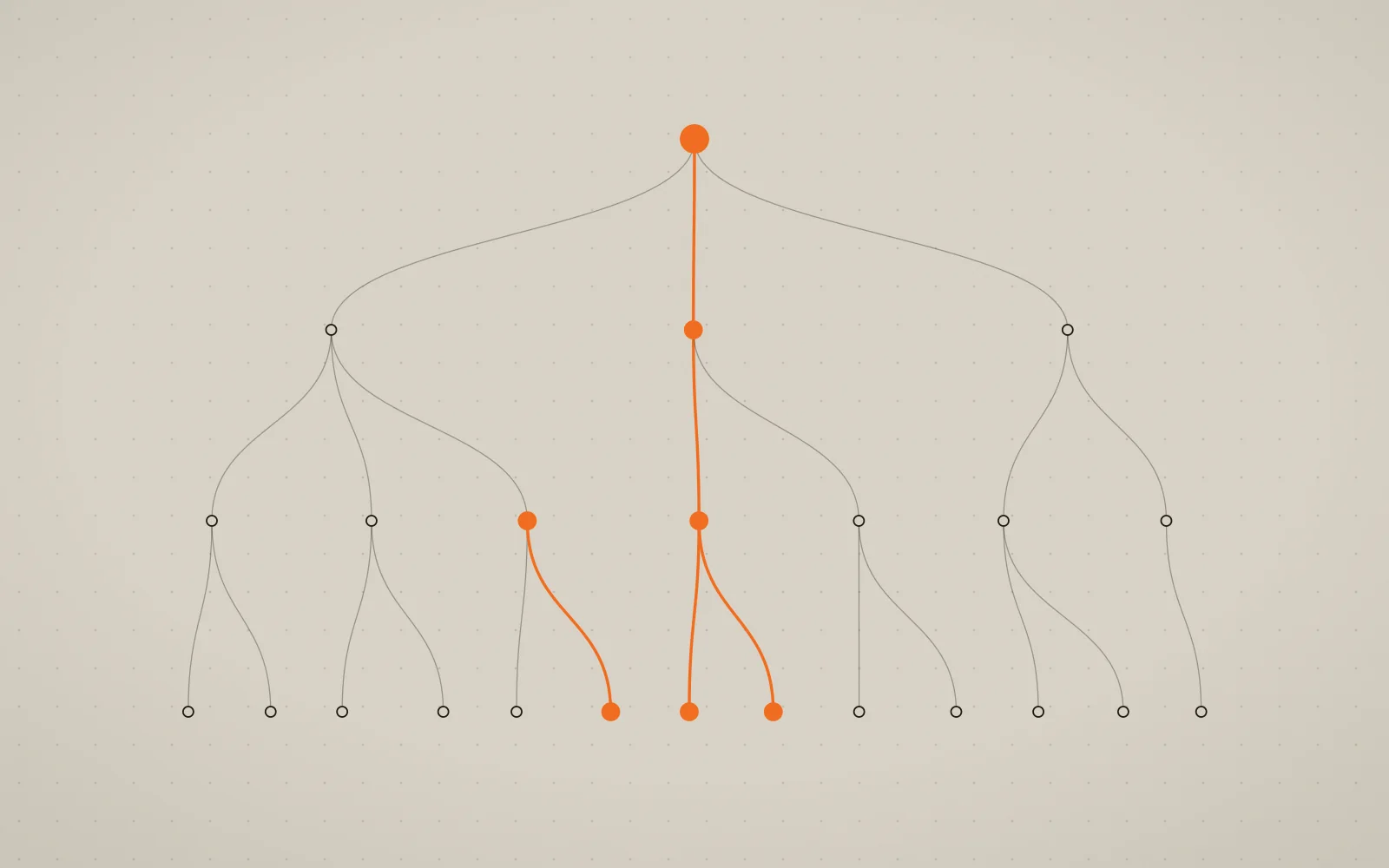
Diagram: a model save acts as the sender and emits a post_save signal, which three independent receivers handle — creating a profile, sending a welcome email and writing an audit log.
For example, when a new user registers, a signal can automatically create a user profile, send a welcome email, or log the registration activity without modifying the registration process itself.
Why Use Django Signals?
As applications grow, maintaining clean and organized code becomes increasingly important. Django Signals provide a way to separate business logic from core application functionality. Some common reasons for using signals include:
- Automating repetitive tasks
- Reducing code duplication
- Keeping applications modular
- Improving maintainability
- Creating event-driven workflows
- Managing background operations
By separating event-based actions from primary application logic, developers can build more scalable and flexible systems.
How Django Signals Work
Signals operate through a sender and receiver mechanism. When a specific event occurs, the sender emits a signal. One or more receivers listen for that signal and execute predefined actions in response.
This communication happens automatically behind the scenes, allowing developers to react to events without modifying existing application workflows. The result is a cleaner architecture that supports better organization and future scalability.
Keep reading — it’s free
The remaining 4 min of this story is for Dispatch subscribers. Subscribing takes one field, and the whole story opens right here.
Subscribe to read the rest
Free. One email when there’s something worth reading.
Originally published at avioxtechnologies.com.