AI is changing developer work. Here are three skills to strengthen.
Learn three ways to get noticed and grow your career as AI reshapes how developers build software.
1 min readNews
Learn three ways to get noticed and grow your career as AI reshapes how developers build software.
I'm excited to announce that native histogram support for Kubernetes metrics is graduating to Beta and is enabled by default in Kubernetes v1.37! Native histograms (previously introduced as Alpha in Kubernetes v1.36 under KEP-5808) bring high-resolution, low-cardinality observability to Kubernetes metrics. By adopting Prometheus Native Histograms, Kubernetes components now expose latency and duration metrics with far greater accuracy while significantly reducing telemetry storage and scraping overhead. Why move beyond classic histograms?Since the early days of Kubernetes observability, duration and latency metrics (such as API server request latencies or scheduling durations) have relied on classic Prometheus histograms.
Memory QoS has graduated to Beta in Kubernetes v1.37 and is now enabled by default. On Linux nodes running cgroup v2, the feature uses the memory controller to give the kernel better guidance on how to treat container memory. It was first introduced as Alpha in v1.22, and expanded in v1.36 with tiered memory reservation. This post covers what changed in v1.37, what the Beta promotion means for cluster operators, and how to configure the feature.
Changed Block Tracking (CBT) support for CSI drivers shipped as Alpha in September 2025. With the March 2026 v1.0.0 release of the external-snapshot-metadata project, the feature moved to Beta. If you aren't yet familiar with changed block tracking for storage in Kubernetes, the Alpha announcement covers the motivation, the three primary components (the CSI SnapshotMetadata gRPC service, the SnapshotMetadataService CRD, and the external-snapshot-metadata sidecar), and a walkthrough of how to use the API. CBT currently applies to block volumes; file-volume and network file-share changed-list tracking is not covered by this feature. This post focuses on what is different in Beta.
Today, we’re excited to introduce the newest members of the AWS Heroes program. AWS Heroes are a vibrant, worldwide group of AWS experts who go above and beyond to share knowledge, mentor others, and build thriving communities. These individuals make a real difference in helping developers and organizations succeed with AWS. This month, we welcome […]

Amazon Aurora PostgreSQL now lets you directly query Apache Iceberg and Parquet data stored in your data lake alongside live operational data—no ETL pipelines required. Powered by DuckDB embedded within Aurora, this capability enables single queries that join transactional and historical data using familiar PostgreSQL syntax. It supports AWS Glue Data Catalog, S3, and S3 Tables, with optimizations like predicate pushdown and caching for efficient performance.

YOLO mode lets an AI agent run without asking permission. Learn what it is, why it's risky, and how to run it safely.
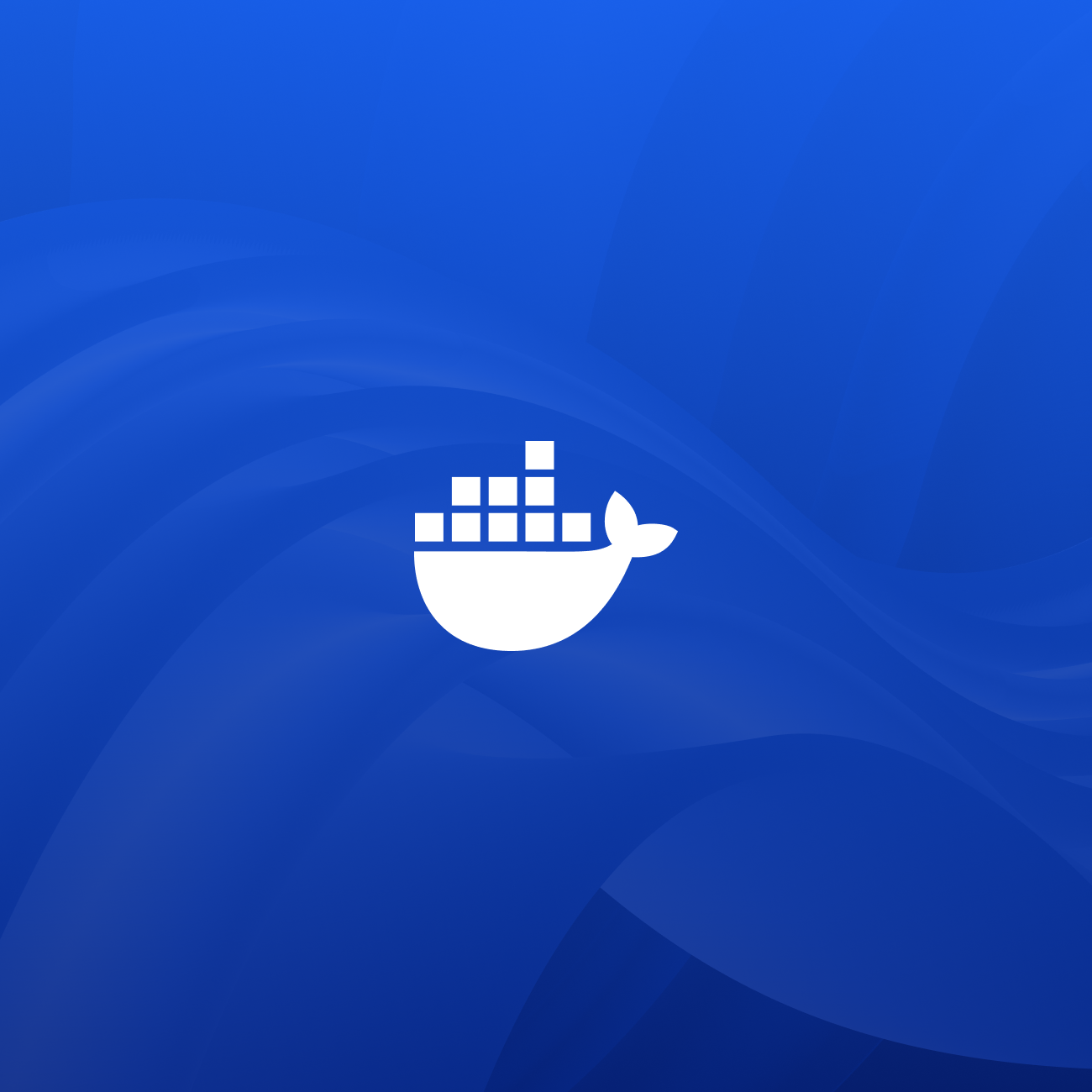
Amazon S3 Vectors now supports metadata pre filtering, delivering up to 5x higher recall on filtered searches. Filters evaluate before similarity search so scoped queries return more relevant results. Ideal for RAG, agentic apps, and document search.
Learn about the key benefits of sandbox environments with Docker including isolation, definable controls, secrets credential handling, and more.
Meet the partners and customers bringing practical AI, security, and development sessions to the Docker Pavilion at WeAreDevelopers. The post explains why a strong ecosystem matters to developers, announces the sessions and speakers, and invites attendees to connect with the teams building and using these technologies.
With the release of Kubernetes v1.37, the Pod-Level Resource Managers feature has graduated to Beta status (disabled by default)! First introduced as an Alpha feature in Kubernetes v1.36, this enhancement builds on Pod-Level Resources by equipping Kubelet's Topology Manager, CPU Manager, and Memory Manager to use Pod-level resource declarations (.spec.resources) directly when making hardware placement decisions. Bringing pod-level resources to node managersBefore this feature, obtaining exclusive NUMA-aligned CPU cores or memory for latency-critical applications forced cluster operators into an all-or-nothing choice: assign integer resource requests to every container in the Pod, or forfeit exclusive NUMA alignment entirely. For modern workloads running lightweight sidecars (such as logging agents or telemetry exporters), allocating dedicated physical cores to auxiliary containers was wasteful.
Kubernetes v1.37 brings important storage security features: emptyDir permission modes and bind mount options. They help application programmers and security professionals implement rigorous security policies, for example, prohibiting deletion of files across containers or execution of arbitrary binaries from writable volumes, directly in Kubernetes without any complicated circumvention. Linux storage and permission fundamentalsBefore diving into the new Kubernetes features, let us briefly review the low-level Linux security mechanisms that make them possible.