Subscribe

Technology · News

Technology

Kubernetes v1.36: New Metric for Route Sync in the Cloud Controller Manager

This article was originally published with the wrong date. It was later republished, dated the 15th of May 2026. Kubernetes v1.36 introduces a new alpha counter metric route_controller_route_sync_total to the Cloud Controller Manager (CCM) route controller implementation at k8s.io/cloud-provider. This metric increments each time routes are synced with the cloud provider. A/B testing watch-based route reconciliationThis metric was added to help operators validate the CloudControllerManagerWatchBasedRoutesReconciliation feature gate introduced in Kubernetes v1.35. That feature gate switches the route controller from a fixed-interval loop to a watch-based approach that only reconciles when nodes actually change. This reduces unnecessary API calls to the infrastructure provider, lowering pressure on rate-limited APIs and allowing operators to make more efficient use of their available quota.
2 min readNews
Technology

Announcing etcd 3.7.0-beta.0

SIG-Etcd announces the availability of the first beta release of etcd v3.7.0. This new version of the popular distributed database and key Kubernetes component includes the long-requested RangeStream feature, as well as a refactoring and cleanup of multiple legacy components and interfaces. v3.7 will deliver improved security, better operational reliability, and an improved experience for working with large resultsets. First, however, the project needs users to test the beta. You can find v3.7.0-beta.0 here:

3 min readNews
Technology

Reconciling the Past: Correcting Records for Unfixed Kubernetes CVEs

The Kubernetes project relies on transparency to empower cluster administrators and security researchers. One important way we do that is by publishing CVE records into the Common Vulnerabilities and Exposures database. As part of our ongoing effort to mature the official Kubernetes CVE Feed, we have identified some discrepancies. CVE records for a few older, unfixed issues incorrectly include a fixed version field. The Kubernetes Security Response Committee (SRC) will correct the affected CVE records on June 1, 2026. This may result in vulnerability scanners identifying these vulnerabilities in places where they were previously not detected.

4 min readNews
Technology

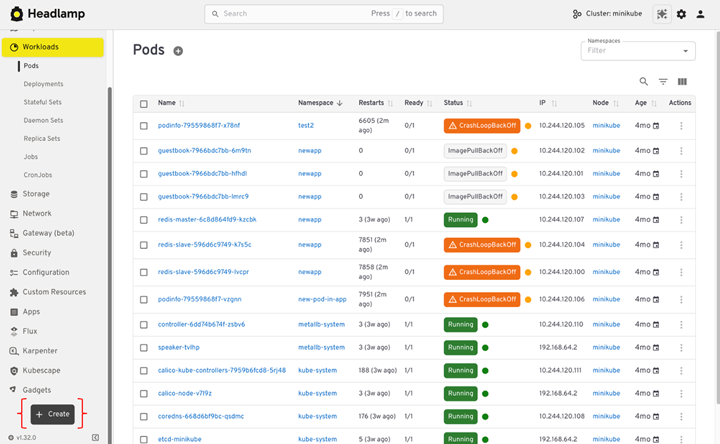
From Kubernetes Dashboard to Headlamp: Understanding the Transition

For many people, Kubernetes Dashboard was their first window into Kubernetes. It offered a simple visual way to see what was running in a cluster, inspect resources, and build confidence without relying on the command line. For years, it helped developers, students, and operators make sense of Kubernetes, and it served as an important onramp into the ecosystem. The Kubernetes Dashboard project has now been archived. We deeply respect the work the team did and the role Dashboard played in making Kubernetes more approachable for so many users.

5 min readNews
Technology

Spotlight on SIG Storage

In our ongoing SIG Spotlight series, we shine a light on the groups that keep the Kubernetes project moving forward. This time, we catch up with SIG Storage, the group responsible for persistent data, volume management, and the interfaces that connect Kubernetes workloads to the storage systems beneath them. We spoke with Xing Yang, Co-Chair of SIG Storage and Software Engineer at VMware by Broadcom, about the SIG's history, the features shipping in recent Kubernetes releases, and where storage in Kubernetes is headed as AI workloads become the norm.

7 min readNews
Technology

Spotlight on WG Device Management

The rising popularity of AI, Edge, and Telecommunications workloads on Kubernetes has led to new requirements for hardware management. We now need hardware specification beyond CPU time and memory allocations. This includes allocating GPUs, TPUs, network interfaces, and other hardware, sometimes after pod start and occasionally through time-sharing. Efficiently managing this specialized hardware is the mission of the Device Management Working Group. Their cornerstone project, Dynamic Resource Allocation (DRA), recently graduated to GA, marking a fundamental shift in how the project handles hardware-intensive workloads at scale.

15 min readNews
Technology

See your serverless: introducing the Headlamp plugin for Knative

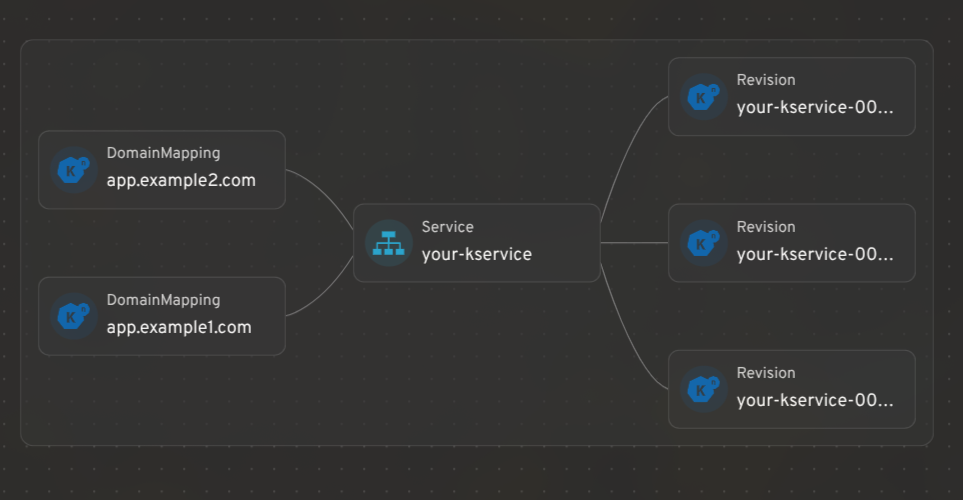
Headlamp is an open-source, extensible Kubernetes SIG UI project designed to let you explore, manage, and debug cluster resources. Knative brings serverless workloads to Kubernetes, handling traffic routing, autoscaling, and revision management so teams can deploy and iterate without fighting infrastructure. But operating Knative workloads day-to-day can be difficult, there's still a lot of jumping between the kn CLI, kubectl, and the Kubernetes UI to get a full picture of what's running.

3 min readNews
See your serverless: introducing the Headlamp plugin for Knative
Technology

Inspect Volcano workloads faster with Headlamp

Volcano is a cloud native batch scheduler for Kubernetes, built for high-performance computing, AI/ML, and other batch workloads. Headlamp is an extensible Kubernetes web UI. With its plugin system, Headlamp can surface APIs and workflows beyond the built-in Kubernetes resources. The Volcano plugin brings core Volcano resources into Headlamp so you can inspect workload state, queue behavior, and gang scheduling details in one place. Kubernetes was originally designed around long-running services, where applications are expected to start and remain available over time. Batch, AI/ML, and HPC workloads often behave differently: jobs arrive dynamically, compete for limited resources, and may need multiple workers to start together before useful work can begin.

4 min readNews
Technology

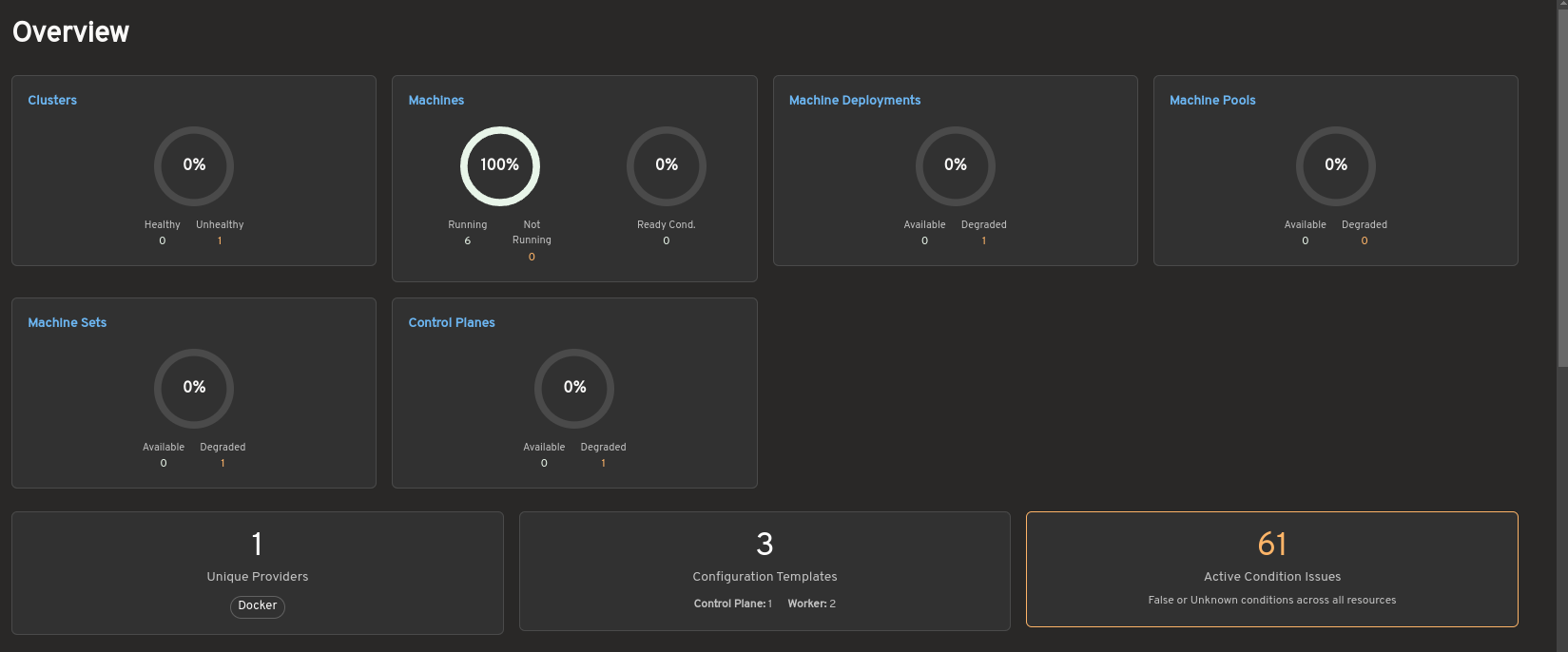
Introducing the Cluster API plugin for Headlamp

Headlamp is an open-source, extensible Kubernetes SIG UI project designed to let you explore, manage, and debug cluster resources directly from a browser. Cluster API (CAPI) is a Kubernetes sub-project that brings declarative, Kubernetes-style APIs to cluster lifecycle management. It lets platform teams provision, upgrade, and manage the lifecycle of Kubernetes clusters using standard Kubernetes objects stored and reconciled in a management cluster. Managing Cluster API resources has historically required raw kubectl commands and deep familiarity with ownership hierarchies. The Headlamp Cluster API plugin brings visual clarity, faster debugging, and simplified operations for platform teams, directly inside Headlamp.

4 min readNews
Introducing the Cluster API plugin for Headlamp
Technology

Open source maintainership in the age of AI

AI has really changed the game around software development. More people are leveraging AI than ever to contribute patches to projects they use. To me, this is a good thing as more folks will contribute patches rather than fork or not fix them. The main problem is that AI has made generating code fast but there has been very little improvement in maintaining code bases. In this post, we will highlight the ways the Kubernetes community is adapting to the world of AI assisted coding.

4 min readNews
Technology

Kubernetes Dashboard to Headlamp: A Step-by-Step Guide

1. Before you start: know what is changingKubernetes Dashboard and Headlamp both show what is running in a cluster, but they work differently. When Headlamp runs on the desktop, it uses your existing kubeconfig to connect to one or more clusters and can be extended with plugins. When Headlamp runs inside a cluster, it uses a Kubernetes ServiceAccount to access the API and follow RBAC rules. Kubernetes Dashboard, in contrast, only runs in-cluster and always relies on service account tokens. Understanding these models early helps you choose the right setup and permissions.

15 min readNews
Kubernetes Dashboard to Headlamp: A Step-by-Step Guide